Swab Absorption vs. Sample Release: What Is the Difference?

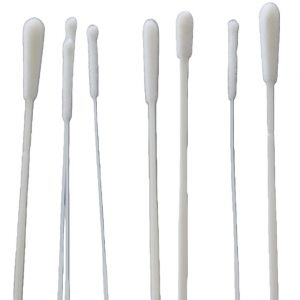
Swab absorption and sample release are related, but they are not the same. Absorption describes how much liquid or material a swab tip can take up. Sample release describes how well the swab transfers collected material into transport medium, extraction buffer, or another testing system.
For medical buyers, laboratories, distributors, and procurement teams, this difference is important. A swab that absorbs well may not always release the sample efficiently, and a swab with good release may not be the best choice for every application.
What Is Swab Absorption?
Swab absorption refers to the ability of the swab tip to take up liquid or sample material. Absorption is affected by tip material, fiber structure, surface area, density, and tip size.
Foam swabs, cotton swabs, rayon swabs, polyester swabs, and flocked swabs may all have different absorption behavior.
What Is Sample Release?
Sample release refers to how well the swab gives the collected material back into a liquid medium, extraction tube, or laboratory workflow after collection.
Sample release matters when the collected specimen needs to transfer from the swab tip into transport medium, extraction buffer, or a diagnostic test system.
The Simple Difference
Absorption is about taking up the sample. Sample release is about giving the sample back. A good specimen collection swab should match the balance required by the workflow.
Some applications need higher absorbency. Others need efficient release. Some workflows need both.
Why High Absorption Is Not Always Enough
A highly absorbent swab may hold liquid well, but it may also retain part of the collected material inside the tip structure. If the workflow needs the sample to move into a tube or buffer, release performance becomes important.
Buyers should avoid choosing swabs only by absorbency claims without checking the release requirement.
Why Flocked Swabs Are Often Selected for Release
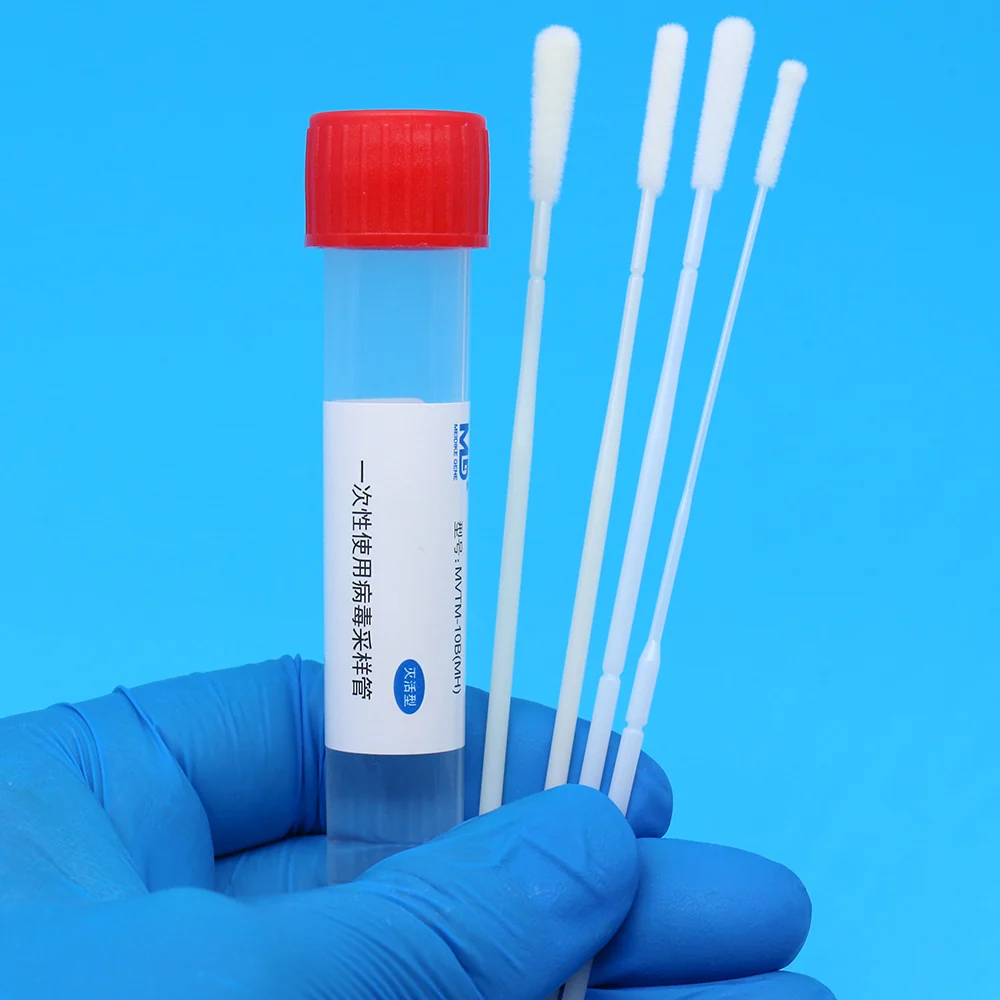
Flocked swabs have short fibers on the tip surface. This structure may help keep collected material closer to the surface and support release into liquid systems in many workflows.
This is one reason flocked swabs are often considered for diagnostic and respiratory specimen collection workflows where sample release matters.
Polyester Swabs and Routine Sampling
Polyester swabs use synthetic polyester fiber and may be suitable for routine medical and laboratory sampling workflows. They can be a practical option when the customer requires synthetic fiber swabs but does not specifically require a flocked design.
Buyers should compare polyester swabs according to material compatibility, collection site, packaging, tube fit, and customer protocol.
Foam Swabs and Absorbency
Foam swabs may be selected when absorbency, cushioning, or broad surface contact is important. However, foam may not be suitable for every diagnostic or specimen collection workflow.
Buyers should confirm whether foam material is accepted by the intended application.
Cotton and Rayon Considerations
Cotton and rayon swabs may be absorbent, but material compatibility should be confirmed before using them in medical or diagnostic workflows. Some customers may require synthetic swabs such as polyester or nylon flocked products.
Absorption and Collection Site
Different collection sites may require different tip designs. A nasal swab, throat swab, oral swab, and laboratory swab may need different levels of absorbency, softness, and release behavior.
Tip size and shaft design should also match the collection site.
Release and Transport Medium
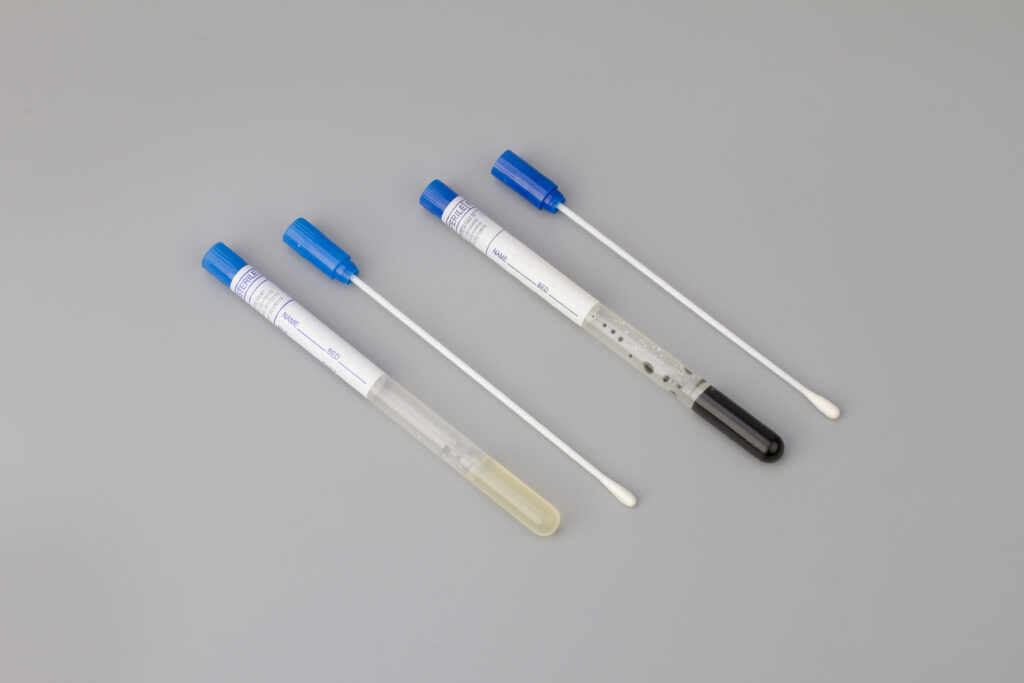
When a swab is used with transport medium, sample release becomes important. The swab tip, tube, cap, medium volume, and mixing method should work together.
Buyers should test samples with the actual medium or extraction system before confirming bulk orders.
Packaging and Sterility
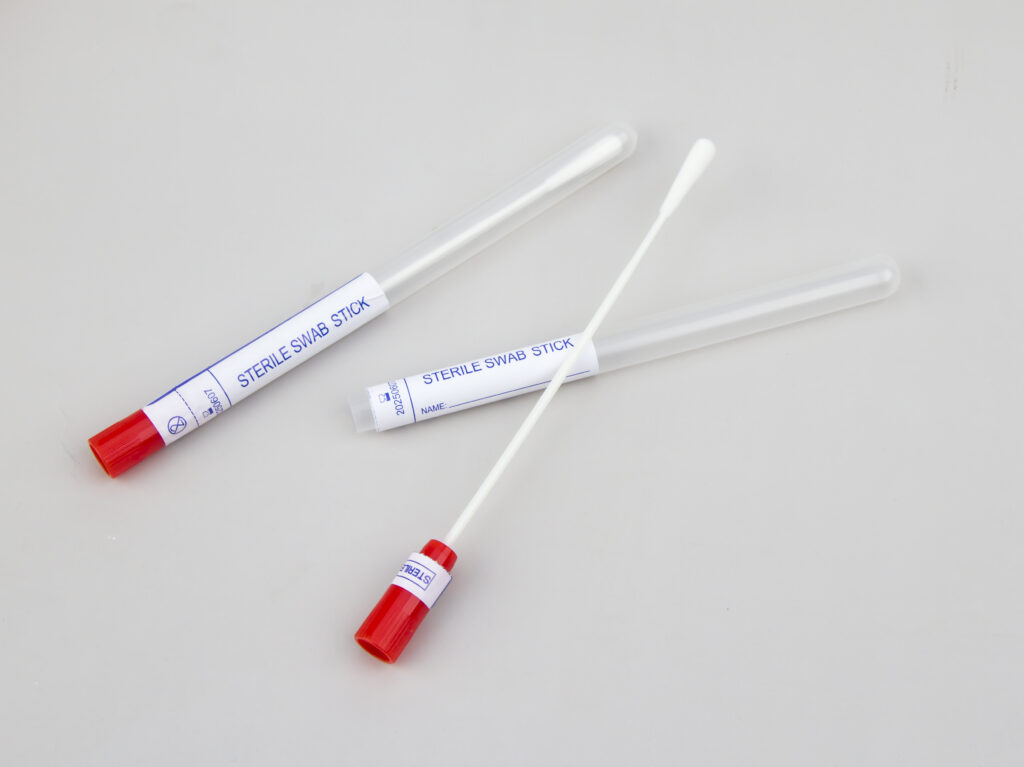
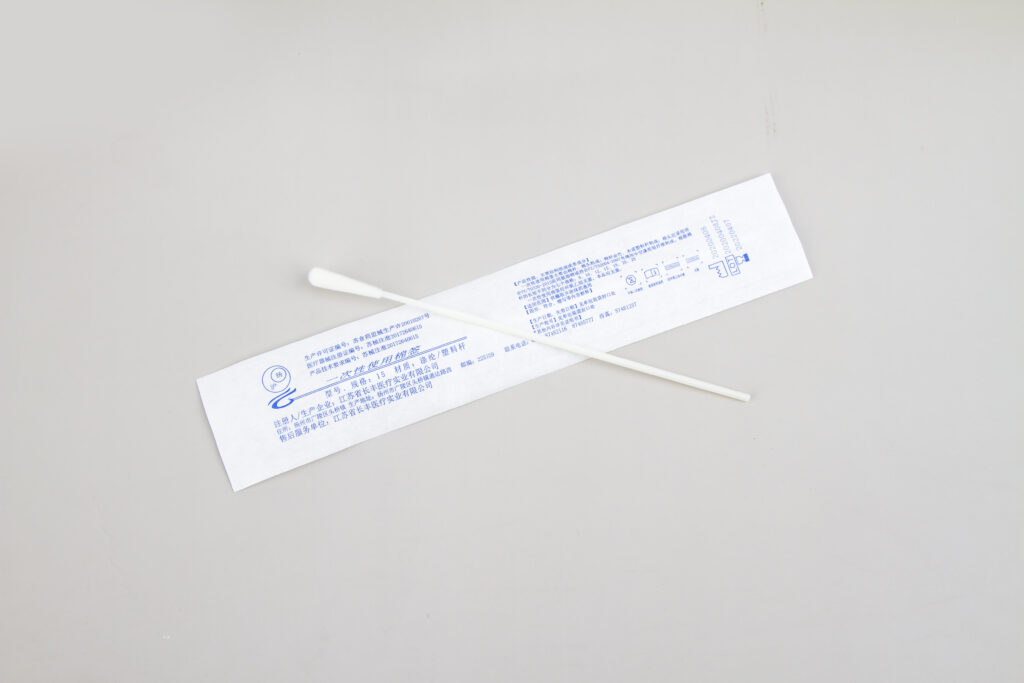
Absorption and release are performance details, but packaging and sterile status also matter. Medical swabs often require sterile individual packaging, clear labels, lot number, expiration date, and suitable carton protection.
What Buyers Should Check Before Ordering
Before ordering swabs, buyers should confirm intended use, collection site, tip material, tip size, absorption requirement, sample release requirement, shaft design, breakpoint, tube compatibility, medium compatibility, sterile status, packaging, shelf life, samples, and supplier documentation.
Common Mistakes
One common mistake is assuming that higher absorption always means better performance. Another mistake is ignoring sample release when the swab must transfer material into a liquid system.
Buyers should also avoid comparing swabs only by product photos. Samples should be tested with the real workflow.
Conclusion
Swab absorption means how well the tip takes up sample material. Sample release means how well the swab transfers that material into the next system. Both matter, but their importance depends on the workflow.
Changfeng Medical supplies sampling swabs for diagnostic, clinical, and laboratory applications, including nasal swabs, large-headed flocked swabs, polyester fiber swabs with sheath, media-coated swabs, and double-tip throat swabs. Contact us to discuss swab materials, packaging options, and bulk supply solutions for your market.
FAQ
What is swab absorption?
Swab absorption is the ability of the swab tip to take up liquid or sample material.
What is sample release?
Sample release is how well the swab transfers collected material into transport medium, extraction buffer, or another testing system.
Is higher absorption always better?
No. Some workflows require efficient release rather than maximum absorption.
Which swab is good for sample release?
Flocked swabs are often considered when sample release is important, but buyers should confirm with the actual workflow.