How to Choose a Sampling Swab Supplier for Medical and Laboratory Use?

Choosing a sampling swab supplier is not only about comparing unit price. For medical and laboratory buyers, the right supplier should provide suitable swab materials, stable quality, sterile packaging options, clear specifications, export documentation, and reliable communication.
Sampling swabs may look simple, but they are used in many different workflows, including nasal collection, throat collection, specimen transport, laboratory sampling, diagnostic support, and collection kit assembly. A small mismatch in swab tip, shaft, breakpoint, tube compatibility, or packaging can create problems for distributors and end users.
Why Supplier Selection Matters for Sampling Swabs
A sampling swab supplier affects more than product availability. The supplier also affects product consistency, packaging quality, delivery time, documentation, private label support, and after-sales response.
For B2B buyers, especially importers and distributors, a reliable supplier can help reduce customer complaints, shipping problems, and repeated sample revisions.
Step 1: Check the Supplier’s Product Range
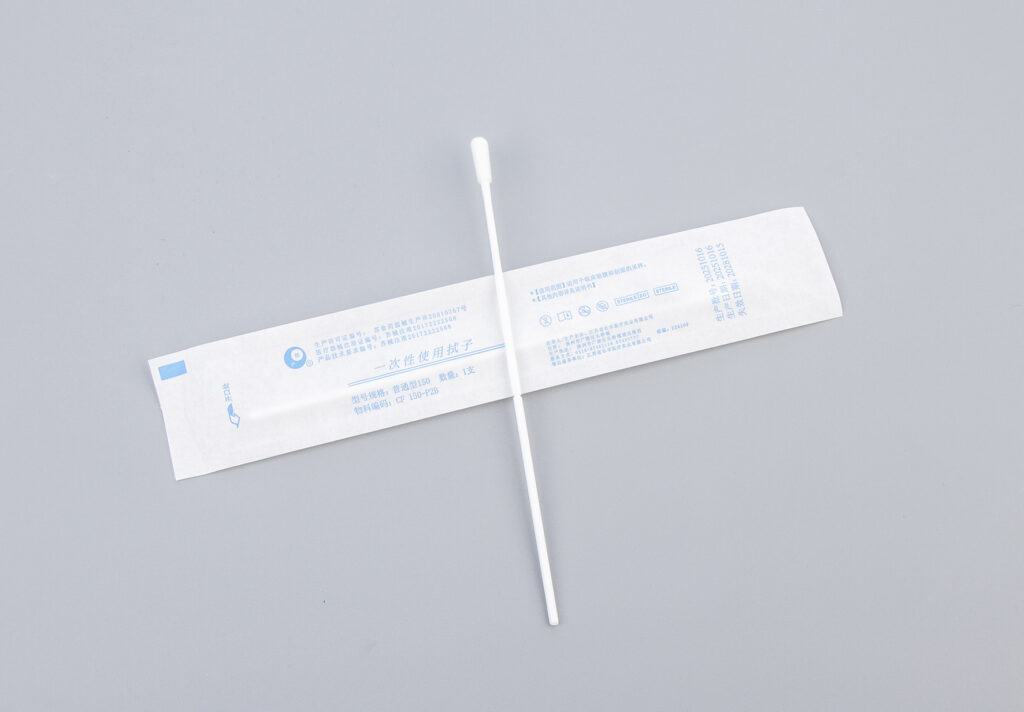
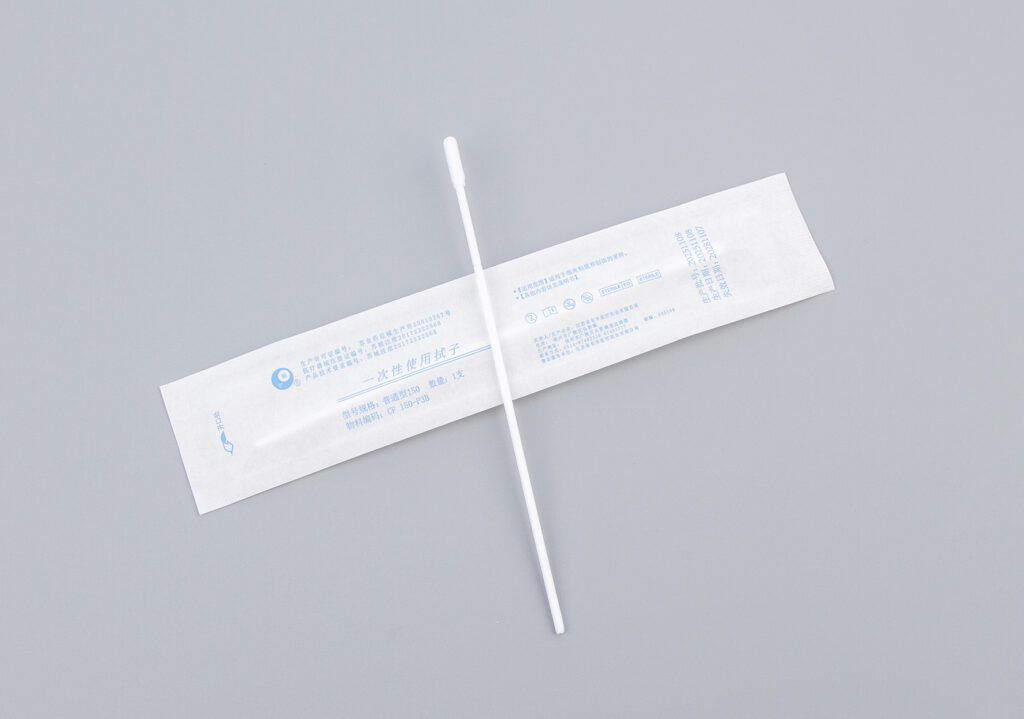
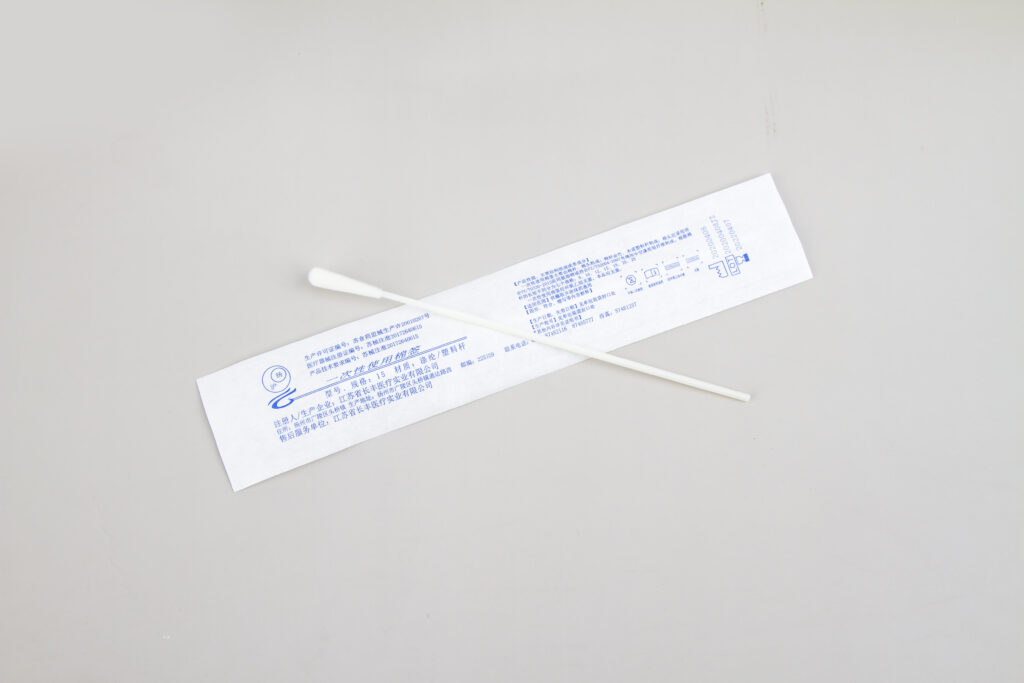
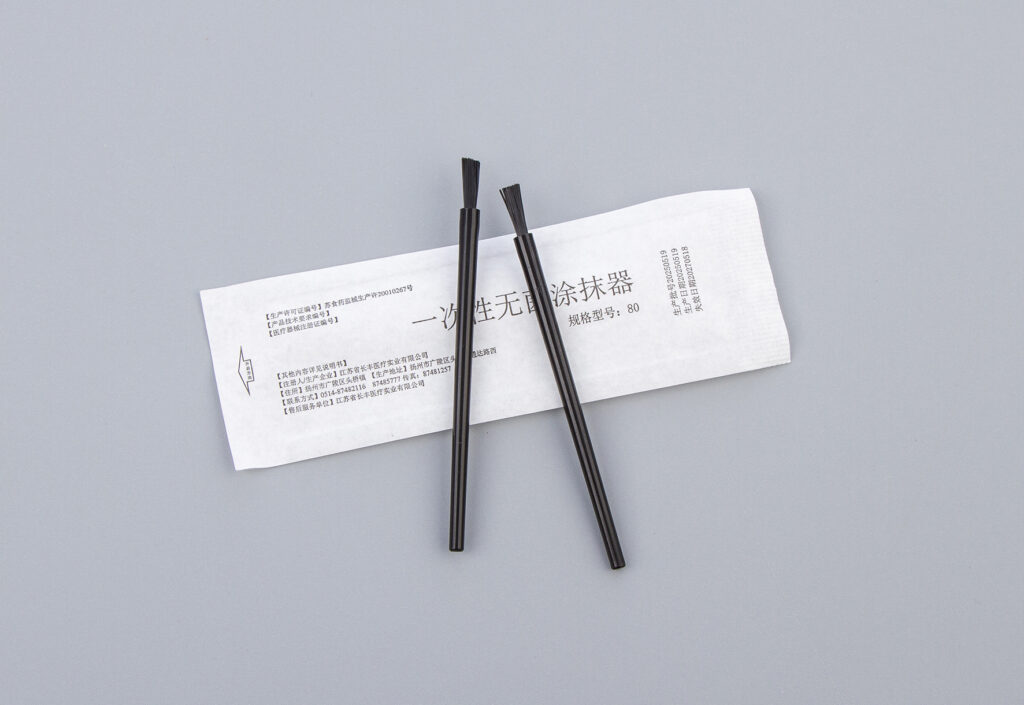
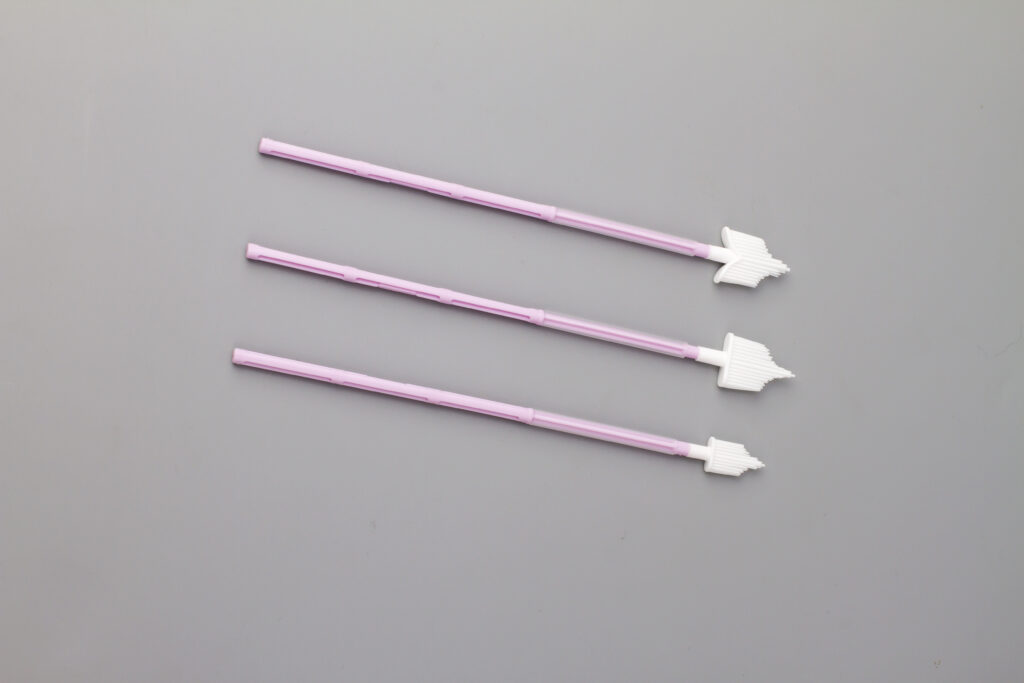
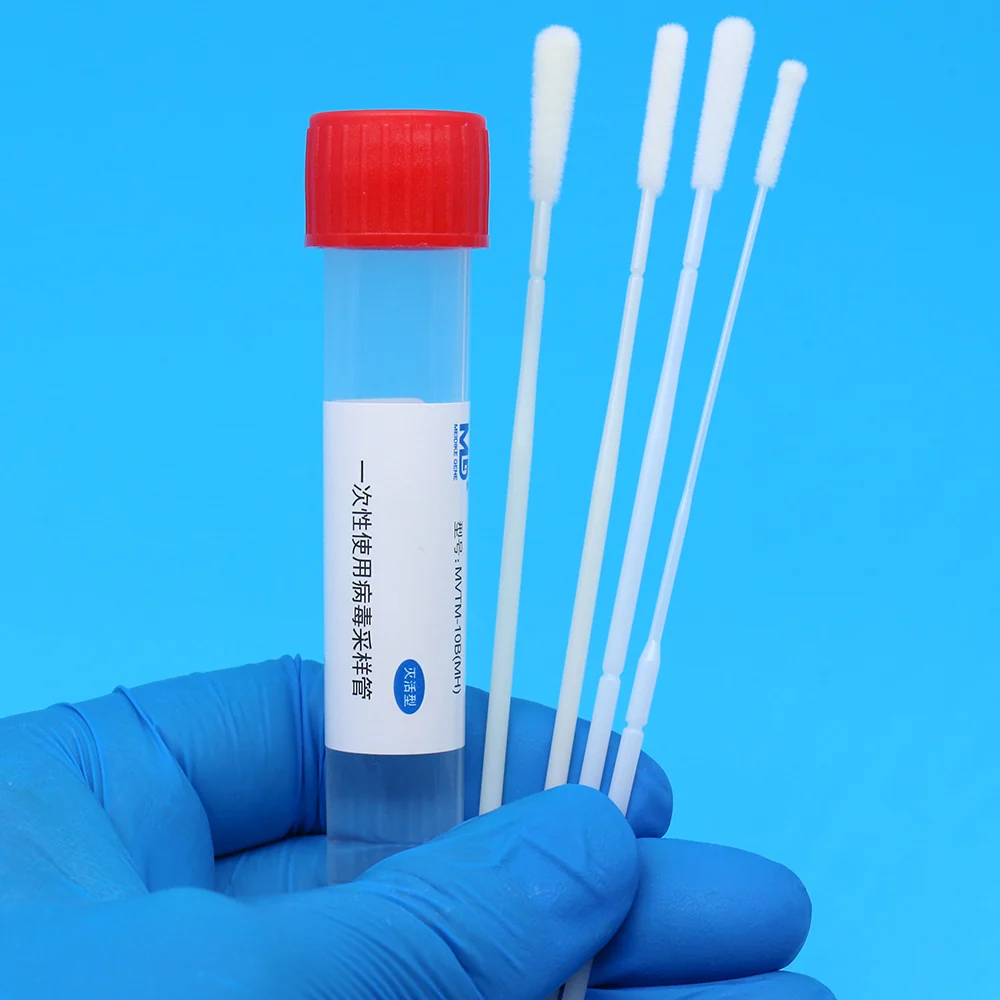
A good sampling swab supplier should offer multiple swab options for different applications. Common products may include nasal swabs, nasopharyngeal swabs, throat swabs, large-headed flocked swabs, polyester fiber swabs with sheath, media-coated swabs, and double-tip throat swabs.
A broader product range helps buyers source related products from one supplier and build a more complete medical consumables catalog.
Step 2: Confirm the Swab Tip Material
Swab tip material affects specimen collection, absorption, sample release, and compatibility with testing workflows. Common swab tip materials include nylon flocked fiber, polyester fiber, foam, rayon, cotton, and other materials.
Buyers should confirm the exact material instead of relying only on product photos. A flocked swab, polyester swab, and foam swab may look similar in a catalog, but they can behave differently in real use.
Step 3: Check Shaft Design
The swab shaft affects handling, flexibility, strength, reach, and tube compatibility. Important shaft details include material, length, diameter, flexibility, and breakpoint position.
For nasal swabs, throat swabs, nasopharyngeal swabs, and transport swabs, shaft design should match the collection site and customer workflow. A swab with the right tip but the wrong shaft may still be unsuitable.
Step 4: Ask About Sterile and Non-Sterile Options
Some workflows require sterile swabs, while others may accept non-sterile swabs. A reliable supplier should clearly state sterile status and provide appropriate packaging and documentation when sterile products are required.
For medical specimen collection, sterile individually packaged swabs are often preferred or required. For industrial sampling or general use, non-sterile swabs may be acceptable depending on the application.
Step 5: Review Packaging Quality
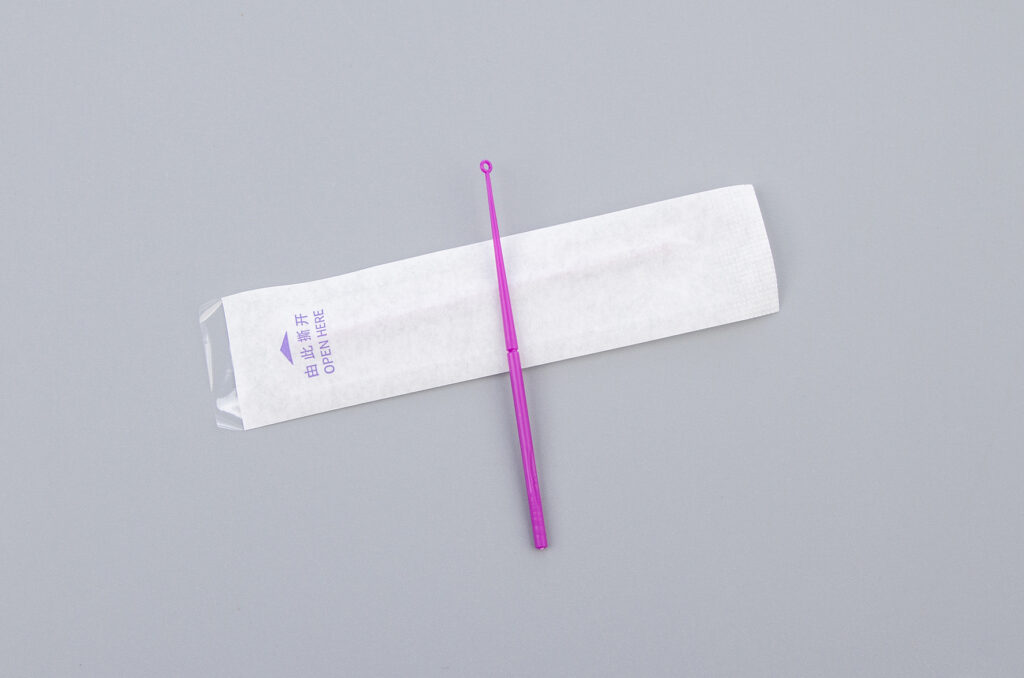
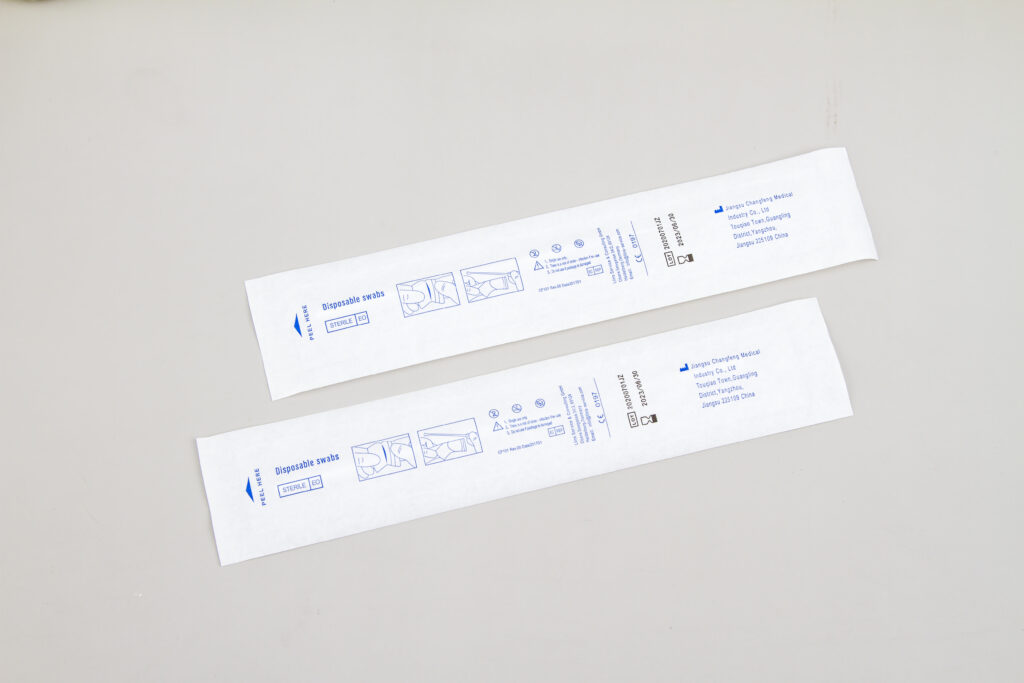
Packaging is a key part of sampling swab quality. It protects the swab during storage, shipping, and handling. It also affects customer impression and warehouse management.
Buyers should check pouch material, seal strength, opening convenience, printed information, lot number, expiration date, inner box quantity, carton size, carton strength, and barcode or private label options.
Step 6: Check Tube and Transport Medium Compatibility
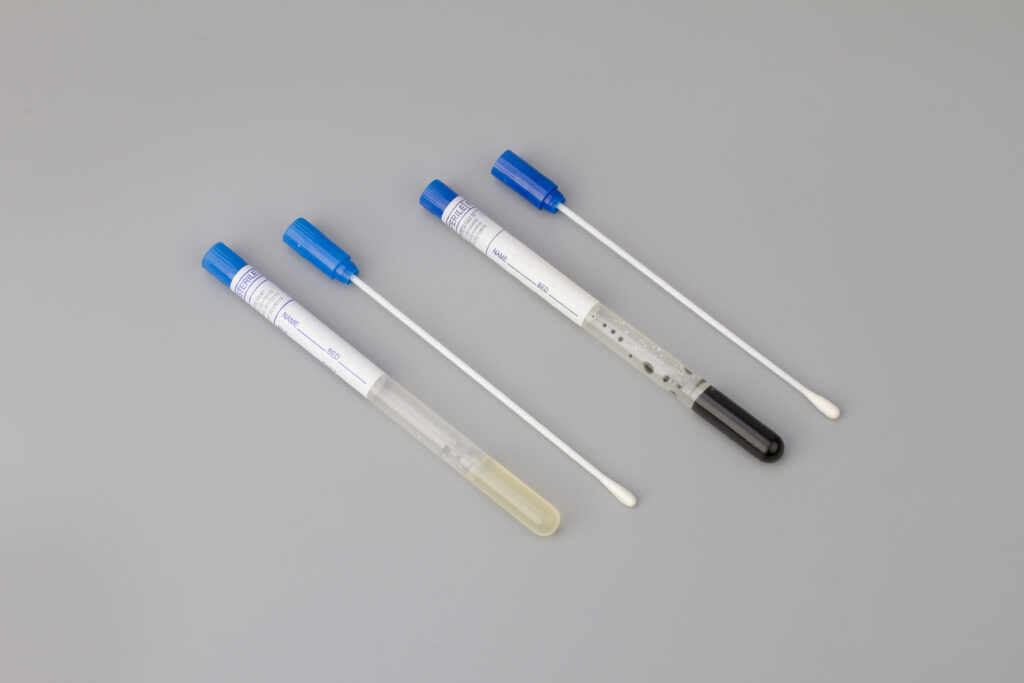
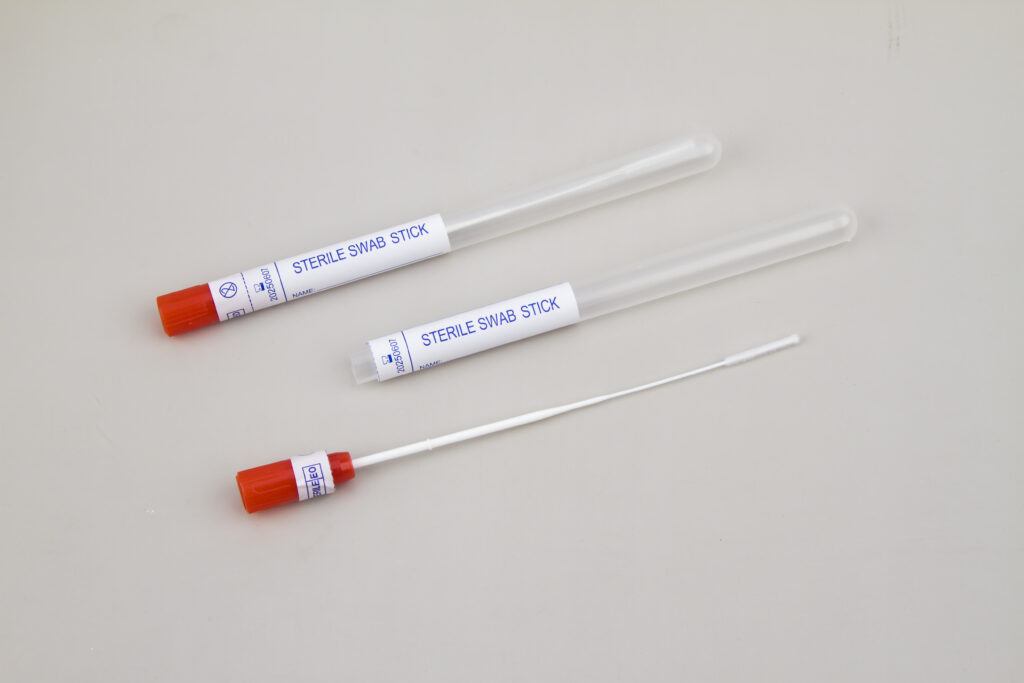
If the swab is used with a collection tube or transport medium, compatibility should be checked carefully. Tip size, shaft length, breakpoint position, tube opening, cap closing space, and medium volume all matter.
For transport swabs, the swab, tube, medium, cap, and packaging should be evaluated as one complete system. Buyers should request samples and test the full workflow before confirming bulk orders.
Step 7: Confirm Shelf Life and Storage Conditions
Sterile swabs and swabs with transport medium may have shelf life and storage requirements. Buyers should confirm expiration date, storage temperature, carton storage conditions, and shelf life documentation.
For export buyers, shelf life is especially important because products may spend time in production, international shipping, customs clearance, warehouse storage, and final distribution.
Step 8: Evaluate Quality Consistency
Sampling swab quality should be stable from batch to batch. Buyers should pay attention to tip size consistency, flocking uniformity, shaft strength, breakpoint performance, pouch sealing, printing quality, and carton packing.
For repeat orders, stable quality is often more important than a small price difference. Inconsistent products can damage distributor reputation and create customer complaints.
Step 9: Ask for Samples Before Bulk Orders
Samples help buyers evaluate product design, packaging, handling, and compatibility before placing large orders. Samples are especially important for custom swabs, swabs with sheath, transport swabs, media-coated swabs, and private label projects.
Buyers should test samples with the actual tube, medium, kit, or workflow whenever possible.
Step 10: Check Documentation Support
Medical and laboratory buyers often need documents for product review, customs clearance, customer registration, or internal purchasing approval. Documentation requirements vary by market and product type.
Buyers may ask suppliers about product specifications, material information, sterilization information, certificate of conformity, shelf life details, packing list, invoice, carton marks, and other export documents.
Step 11: Review Private Label Capability
Many importers and distributors need private label packaging. A supplier may support printed pouches, labels, inner boxes, instruction sheets, barcodes, carton marks, and customized packaging artwork.
Before production, buyers should confirm artwork files, language, barcode position, label layout, minimum order quantity, sample approval process, and lead time.
Step 12: Compare Communication and Response Speed
Sampling swab orders often involve specification confirmation, sample testing, artwork approval, production scheduling, and shipping coordination. A supplier with fast and clear communication can reduce mistakes.
Buyers should evaluate how the supplier answers technical questions, handles sample requests, confirms details, and responds to problems.
Important Questions to Ask a Sampling Swab Supplier
Before choosing a supplier, buyers can ask about swab types, tip materials, shaft materials, sterile options, sterilization method, individual packaging, transport medium options, private label support, shelf life, available documents, sample availability, MOQ, and lead time.
Common Mistakes When Choosing a Swab Supplier
One common mistake is choosing only by the lowest price. Low price may be attractive, but poor pouch sealing, unstable flocking, weak shaft design, or unclear labeling can create bigger costs later.
Another mistake is ignoring the end-user workflow. A swab may look correct, but if it does not fit the tube, medium, collection site, or packaging requirement, it may not be accepted by the customer.
Buyers should also avoid placing bulk orders before sample confirmation, especially for custom specifications or private label packaging.
How to Compare Different Supplier Quotations
When comparing quotations, buyers should confirm whether the suppliers are quoting the same specification. Price differences may come from tip material, sterile status, packaging format, shelf life, carton quantity, documentation, or transport medium configuration.
A useful comparison should include product specification, packaging details, MOQ, sample availability, production lead time, shipping terms, document support, and after-sales response.
Why Product Fit Matters More Than Product Name
Product names can be similar across suppliers. For example, two suppliers may both offer “flocked swabs,” but the tip size, shaft flexibility, breakpoint position, packaging, and sterile status may be different.
Buyers should confirm detailed specifications rather than relying only on product names or catalog images.
Sampling Swab Supplier Checklist
A practical supplier checklist can include product range, swab material, shaft design, sterile options, packaging quality, tube compatibility, medium compatibility, shelf life, documentation, private label support, sample testing, production capacity, lead time, export experience, and communication quality.
Conclusion
Choosing a sampling swab supplier requires more than comparing prices. Buyers should evaluate product range, material options, shaft design, sterile status, packaging, tube compatibility, transport medium options, shelf life, samples, documentation, and communication.
A reliable supplier helps buyers reduce risk, support customer requirements, and build a stable product line for medical, diagnostic, and laboratory markets.
Changfeng Medical supplies sampling swabs for diagnostic, clinical, and laboratory applications, including nasal swabs, large-headed flocked swabs, polyester fiber swabs with sheath, media-coated swabs, and double-tip throat swabs. Contact us to discuss specifications, packaging options, private label support, and bulk supply solutions for your market.
FAQ
How do I choose a sampling swab supplier?
Choose a supplier by checking product range, swab material, shaft design, sterile options, packaging quality, tube compatibility, shelf life, documentation, samples, and communication.
What should buyers ask before ordering sampling swabs?
Buyers should ask about tip material, shaft material, sterile status, packaging, breakpoint, tube compatibility, transport medium, shelf life, MOQ, lead time, and export documents.
Why is packaging important when choosing a swab supplier?
Packaging protects the swab, supports sterile handling, provides product information, and affects customer acceptance during storage and use.
Should buyers request samples before bulk orders?
Yes. Samples help buyers confirm swab design, packaging, handling, tube compatibility, and customer workflow suitability before mass production.
Can sampling swabs be private labeled?
Private label options may include printed pouches, labels, boxes, instruction sheets, barcodes, and carton marks depending on supplier capability and order quantity.
What makes a reliable medical swab supplier?
A reliable supplier provides stable quality, clear specifications, suitable packaging, documentation, sample support, export experience, and responsive communication.