
Throat Swab, Nasal Swab, or Both: When Dual-Tip Swab Configurations Make Clinical and Commercial Sense

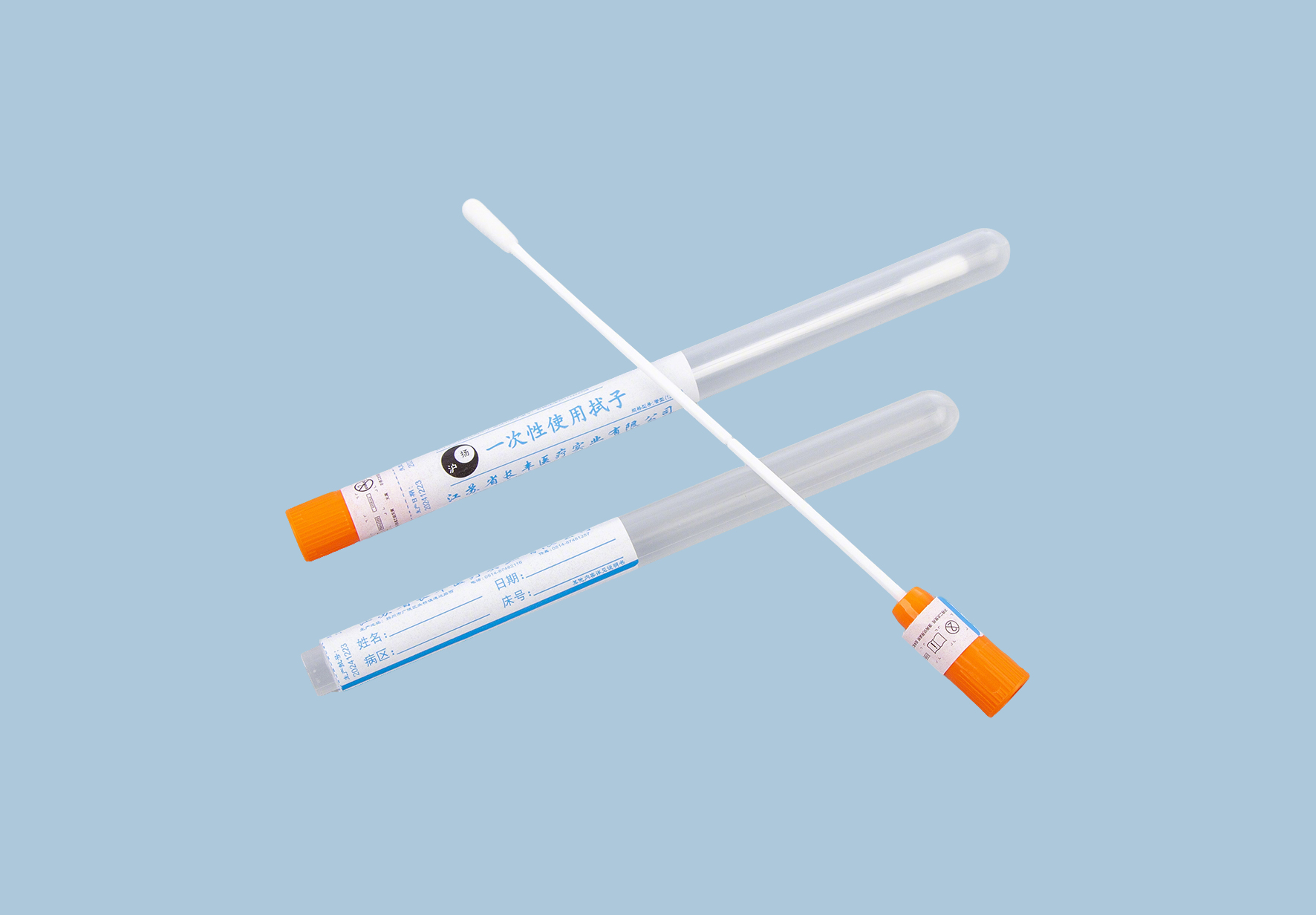
Nasal and throat swabs are not interchangeable. They are designed for different anatomical sites, optimized for different sample types, and — in respiratory testing — they don’t always detect the same pathogens at the same stage of infection. The choice between them, or the decision to use both through a dual-tip or combined-swab configuration, is a product design and clinical positioning decision that has real consequences for test performance and kit value.
For distributors building swab product lines and kit developers deciding on collection architecture, understanding where each approach works — and where combining them changes the diagnostic equation — is worth more than a material specification sheet.
Why Nasal and Throat Samples Detect Different Things
Upper respiratory pathogens replicate preferentially at different sites depending on the pathogen and the stage of infection. SARS-CoV-2, in early infection, shows high viral load in the throat — often detectable there before it reaches levels in the anterior nares that a nasal swab can reliably capture. Influenza A and B show strong nasal presence and are reliably detected by anterior nasal or nasopharyngeal swabs. RSV replicates primarily in the lower respiratory tract but sheds into both nasal and pharyngeal secretions.
A study published in Clinical Infectious Diseases in 2024 found that testing a combined throat-nasal swab specimen increased clinical sensitivity for COVID-19 by 13% compared to nasal swab alone, with the advantage particularly pronounced in early infection and immunocompromised patients. That is not a marginal improvement — it is the difference between detecting an infection on day two and missing it until day four, with all the transmission consequences that implies.
For distributors positioning swab products for respiratory testing, this is the clinical argument for dual-site collection. The question is whether the collection architecture supports it efficiently.
Three Approaches to Dual-Site Collection
There are three ways to capture both nasal and throat samples, each with different kit implications:
Two separate swabs, one per site. The standard approach. One nasal swab, one throat swab, separate tubes. Simple, well-validated, but adds cost, packaging complexity, and user steps. For clinical settings with trained operators, this is reliable. For self-test or at-home kits, two-swab workflows increase user error rates.
Dual-tip swabs on a single shaft. A single swab with two collection tips — one at each end — or a bifurcated design that allows both nasal and throat sampling in sequence before the tips are both deposited into a single tube. This approach reduces kit complexity and keeps the sample volume in one container. Thermo Fisher’s 2025 multi-specimen swab kit, designed around a single viral transport medium, reflects the direction the market is moving for multi-site collection.
Combined-swab, single-site protocol. A nasal swab used to collect from both nostrils, then the posterior pharynx in the same sampling event. This is clinically validated for COVID-19 antigen testing and simplifies the user workflow considerably. The swab design must accommodate both the flexibility and tip geometry requirements for NP/nasal and pharyngeal contact in sequence, which narrows the product specifications considerably.
Dual-Tip Swab Design Considerations
The dual-tip design — one swab, two collection surfaces — solves a real workflow problem but introduces specification challenges that single-tip designs don’t face.
The first is tip differentiation. If both tips look identical, the user has no visual cue about which to use first or which site each tip was designed for. Color coding the two tips — standard nylon tip for nasal, distinctively colored tip for throat, or variation in tip size — is the practical solution. Large-headed flocked swab designs, such as those used for throat and buccal sampling, use tip geometry to communicate site specificity without printed labeling on the shaft.
The second is elution into a single volume. If both tips are deposited into the same transport medium, the combined eluted volume must be compatible with the downstream assay’s detection range. This is an assay validation question, not just a swab design question, but the swab supplier needs to know the intended protocol to confirm that the tip absorption capacity and elution efficiency match the tube volume and assay requirements.
The third is shaft ergonomics across two collection sites. A dual-tip shaft used for both nasal and throat sampling needs to be comfortable in both anatomical positions. Nasal collection requires the user to tilt the swab slightly upward; throat collection requires opening the mouth and reaching the posterior pharynx. The shaft length and flexibility point that works well for one site may create awkwardness at the other. This is a human factors engineering problem that should be addressed in product development before commercial launch, not discovered through field complaints.
Portfolio Implications for Distributors
For distributors building a respiratory diagnostics swab product line, the choice between stocking nasal-only, throat-only, and dual-tip configurations has commercial as well as clinical dimensions.
Nasal-only swabs (anterior nasal design, suitable for self-collection) serve the largest volume segment: home testing, workplace screening, and pharmacy rapid antigen platforms. These are high-volume, price-sensitive products where supply reliability and consistent specification matter more than differentiated design.
Throat swabs serve clinical and institutional settings — hospital admissions screening, respiratory illness investigation, STI and strep testing — where trained operators are performing the collection. The clinical variety is broader, which means stocking multiple configurations (regular-tip and large-head, with and without transport media) is necessary to cover the customer base.
Dual-tip and combined-swab products serve a narrower but growing segment: institutional respiratory panels, multiplex testing platforms, and at-home kits targeted at the health-conscious consumer who wants higher sensitivity than a nasal-only product provides. This is where product differentiation is possible at a meaningful price premium, and where the manufacturer’s ability to provide validation data for multi-site collection protocols matters in the sales conversation.
The clinical evidence for combined nasal-throat sampling, particularly for COVID-19 and multiplex respiratory panels, continues to build. Distributors who have the right product configurations ready when institutional customers ask for them are better positioned than those who are sourcing new configurations reactively when the demand arrives.
Changfeng Medical’s sampling swab range includes nasal swabs, double-tip throat swabs, and large-headed flocked swabs for multi-site respiratory collection. OEM configuration and packaging options are available for distributors and kit manufacturers building respiratory diagnostic product lines. ISO 13485, CE, and MDSAP documentation available on request.