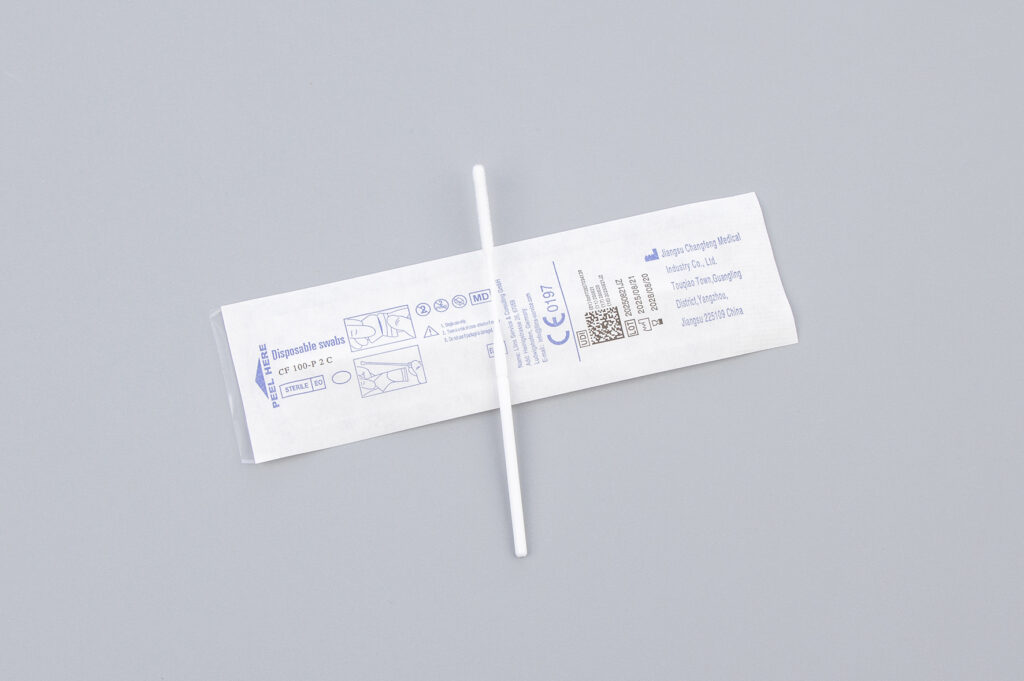
Flocked Swabs vs Cotton Swabs: Key Differences in Medical Diagnostics

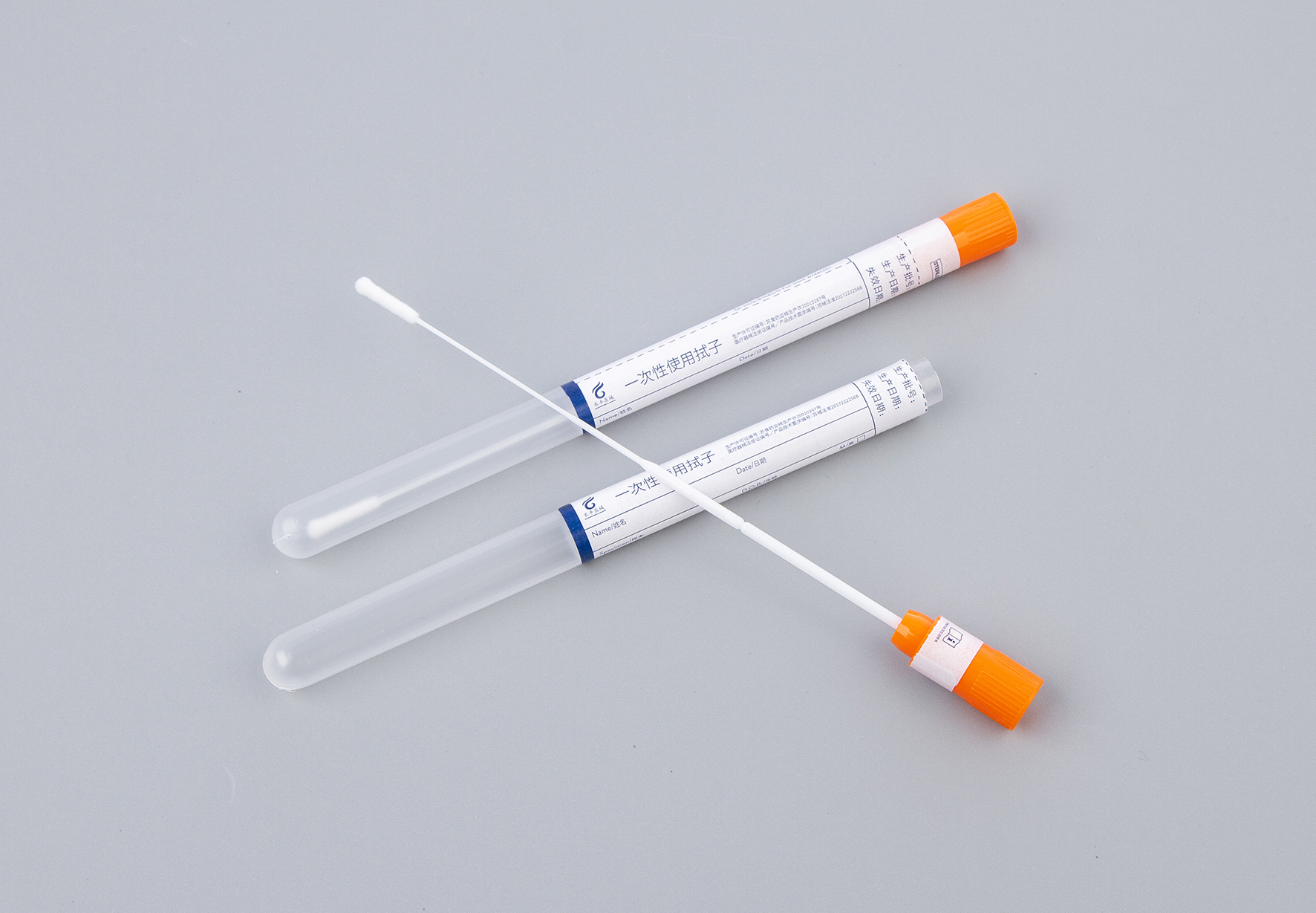
When you’re selecting swabs for diagnostic testing, the choice between flocked swabs and cotton swabs directly impacts sample quality, test accuracy, and lab efficiency. If you’re procurement manager evaluating options for molecular diagnostics or high-sensitivity testing, understanding how these two types differ in structure, performance, and application will help you make the right decision for your lab.
Structure: How Flocked and Cotton Swabs Are Built
Flocked swabs use short synthetic fibers—typically nylon or polyester—arranged vertically on the swab tip through electrostatic flocking. This creates an open, brush-like structure with thousands of fiber ends perpendicular to the surface. The design allows samples to move easily between fibers and into transport medium.
Cotton swabs, by contrast, use cotton fibers wound tightly around the tip in layers. This traditional construction creates a denser, absorbent structure where samples can become trapped within the internal fiber matrix.
The structural difference matters because it determines how well the swab can collect a sample, retain it during handling, and release it for testing.
Sample Collection: Which Swab Picks Up More?
You might assume flocked swabs always collect more sample material, but the reality is more nuanced. Research on environmental surface sampling found that cotton swabs achieved collection efficiency as high as 96.5% ± 1.9% on certain surfaces. Cotton’s absorbent nature works well when sampling moist or semi-liquid specimens.
Flocked swabs excel when collecting liquid samples or samples from mucous membranes. The capillary action between vertically arranged fibers draws fluid into the structure efficiently. For nasopharyngeal or oropharyngeal specimens, flocked swabs can capture cells and pathogens from mucosal surfaces with minimal pressure.
Your choice at this stage depends on what you’re sampling: mucosal sites and liquid specimens favor flocked designs, while some surface or dry sampling scenarios may work equally well with either type.
Sample Release: The Critical Performance Gap
Collection is only half the equation. The sample must transfer from the swab into transport medium or extraction buffer for analysis. This is where flocked swabs show a measurable advantage.
A 2018 clinical study comparing self-collected vaginal samples for HPV testing found that flocked swabs released an average of 425,544 cells per milliliter into the medium, while cotton swabs released only 96,727 cells per milliliter. The difference was statistically significant and resulted in higher HPV detection rates with flocked swabs (38.1% vs 29.7%).
Similarly, a 2021 study on microbial DNA recovery showed flocked swabs yielded approximately 1,240 ng of DNA compared to 184 ng from cotton swabs under identical test conditions.
Cotton fibers trap samples within their layered structure. When you vortex or agitate the swab in medium, much of the collected material stays bound to the fibers. Flocked swabs release samples more completely because there’s no dense internal matrix to hold them back.
If your lab runs PCR, RT-PCR, or other molecular assays that require maximum sample recovery, flocked swabs will deliver more target material to your test system.
Compatibility with Molecular Diagnostics
Cotton swabs can introduce complications in molecular testing. Cotton fibers may shed into the sample during handling or extraction, and some studies suggest that residual fibers or compounds from cotton processing could interfere with PCR amplification in certain conditions.
Flocked swabs made from synthetic materials like nylon or polyester generally do not shed fibers and do not contain PCR inhibitors. However, you should verify compatibility with your specific assay and reagents, as swab performance can vary by manufacturer.
It’s worth noting that not all cotton swabs fail in molecular diagnostics. A 2008 study found that dry cotton swabs with plastic shafts performed adequately for influenza A, influenza B, RSV, and hMPV detection when used with validated protocols. The key is whether the swab and transport medium have been validated for your test platform.
Cost and Procurement Considerations
Cotton swabs cost less per unit than flocked swabs. If you’re running large-scale screening programs where cost per test is a primary concern and your assay doesn’t require maximum sample recovery, cotton swabs may be sufficient.
Flocked swabs carry a higher unit cost, but the investment pays off when you need reliable results from molecular diagnostics, viral detection, or low-abundance target testing. Improved sample release can reduce the need for repeat testing and improve overall diagnostic accuracy.
When calculating total cost, factor in not just the swab price but also the cost of reagents, repeat tests, and potential diagnostic failures. A more expensive swab that delivers better performance may reduce total cost per reportable result.
Which Swab Should You Choose?
Choose flocked swabs when you’re conducting:
- PCR, RT-PCR, or other nucleic acid amplification tests
- Viral detection (influenza, SARS-CoV-2, RSV, HPV)
- Low-abundance pathogen testing where sensitivity matters
- Any assay requiring high sample recovery efficiency
- Nasopharyngeal, oropharyngeal, or other mucosal sampling
Consider cotton swabs for:
- Bacterial culture where moisture retention is beneficial
- Large-scale screening with validated cotton-compatible protocols
- Budget-constrained programs where molecular diagnostics are not required
- Applications where your lab has already validated cotton swab performance
The most important factor is validation. Regardless of swab type, confirm that your chosen product has been tested and approved for use with your diagnostic platform, transport medium, and target pathogens.
Frequently Asked Questions
Can I use cotton swabs for COVID-19 testing?
Some cotton swabs with plastic shafts have been validated for SARS-CoV-2 RT-PCR testing, but flocked swabs are generally preferred because they provide better sample release and are less likely to contain PCR inhibitors. Always check that your swab is compatible with your specific test kit and has regulatory clearance for your intended use.
Do flocked swabs work better for all types of samples?
Flocked swabs perform best when sampling mucosal surfaces and when high sample release efficiency is required. For certain surface sampling or bacterial culture applications, cotton swabs may perform adequately and cost less. The best choice depends on your sampling site, target organism, and downstream testing method.
Why do flocked swabs cost more than cotton swabs?
Flocked swabs require specialized manufacturing equipment and synthetic materials. The electrostatic flocking process that aligns fibers vertically is more complex than traditional cotton wrapping. The higher cost reflects the manufacturing process and the performance advantages in diagnostic applications.
Can cotton fibers really inhibit PCR?
Cotton fibers or residues from cotton processing can interfere with PCR in some circumstances, but this is not universal. Well-manufactured cotton swabs with plastic shafts have been successfully used in molecular diagnostics. The risk depends on the specific swab product, extraction method, and assay chemistry.
How should I store flocked swabs before use?
Store flocked swabs in their original packaging in a cool, dry environment away from direct sunlight. Do not use swabs past their expiration date. If you’re using swabs with transport medium, follow the manufacturer’s storage instructions carefully, as some media require specific temperature conditions.
Are there situations where cotton swabs are actually better?
Cotton swabs can be preferable for bacterial culture when the swab will be placed directly onto culture media, as the moisture-retaining properties of cotton may help keep bacteria viable during transport. They’re also suitable for applications where sample release efficiency is not critical and cost savings are a priority.
Do I need different swabs for nasal vs throat sampling?
The sampling site affects swab length, tip size, and shaft flexibility more than the choice between flocked and cotton materials. Nasopharyngeal swabs are typically longer and have smaller tips than oropharyngeal swabs. Both sites benefit from flocked swabs when used for molecular diagnostics, but you must select the appropriate swab design for each anatomical site.
Can I validate a new swab type in my lab?
Yes, but validation requires testing the new swab against your current standard using clinical specimens or reference materials. You’ll need to demonstrate equivalent or superior performance across your test menu. Consult your laboratory director and regulatory requirements before switching swab types for diagnostic testing.
Make the Right Choice for Your Lab
Flocked swabs and cotton swabs each have a place in diagnostic testing, but they’re not interchangeable. When your lab needs maximum sample recovery, compatibility with molecular diagnostics, and reliable performance for viral or low-abundance pathogen detection, flocked swabs are the better investment. For applications where validated cotton swabs meet your performance requirements and budget constraints matter, cotton remains a viable option.
Need help selecting the right sampling swabs for your diagnostic workflow? Contact our team to discuss your specific testing requirements and explore our range of flocked and specialty swabs designed for clinical diagnostics.