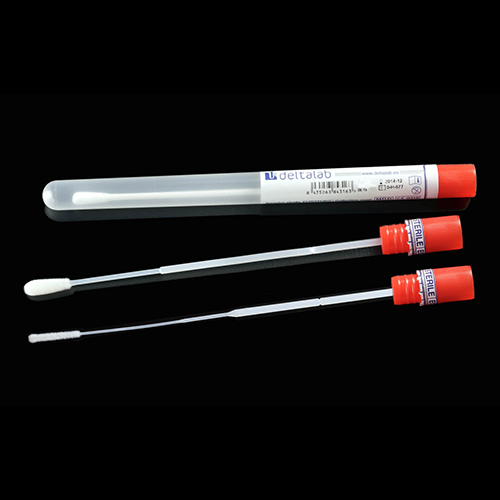
Why Is Tube Labeling Important in Swab Collection Kits?

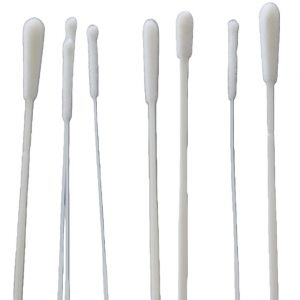
Tube labeling is important in swab collection kits because it supports product identification, traceability, sample handling, warehouse control, and customer workflow. A collection tube may be small, but label design can affect how easily users read, scan, store, and process the kit.
For medical buyers, diagnostic companies, laboratories, and distributors, tube labeling should be reviewed together with swab type, tube size, cap sealing, transport medium, sterile packaging, and final kit assembly.
What Is Tube Labeling?
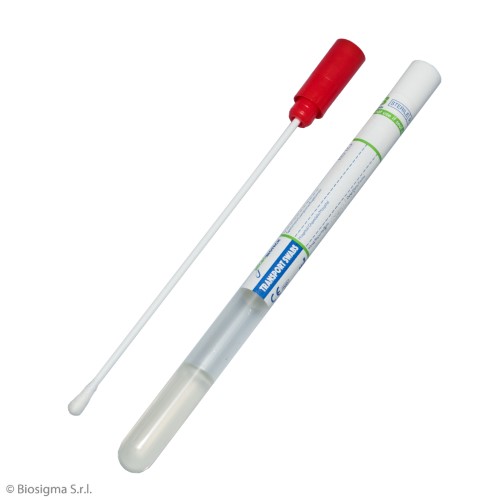
Tube labeling refers to the printed or attached label on a collection tube. It may include product name, medium type, lot number, expiration date, barcode, volume, storage conditions, brand information, or blank writing area depending on the kit design.
The exact label content depends on the customer’s workflow and target market requirements.
Why Tube Labeling Matters
Clear tube labeling helps users identify the product and manage the sample handling process. It can also help warehouses manage inventory and support traceability in case of customer questions.
Poor tube labeling may cause confusion, scanning problems, unreadable information, or customer complaints.
Label Fit and Tube Size
The label should fit the tube without covering the cap area, interfering with closure, or peeling during storage. A label that is too large may wrap poorly around small tubes. A label that is too small may not show enough information.
Buyers should test label fit on real tubes before approving bulk production.
Barcode Position
If a barcode is used, it should be placed where it can be scanned easily. Barcode size, contrast, printing quality, and tube curvature should be checked carefully.
A barcode that looks clear on a flat artwork file may not scan well after being applied to a round tube.
Lot Number and Expiration Date
Lot number and expiration date are important for traceability and shelf life management. Buyers should confirm whether these details appear on the tube label, pouch, box, carton, or all packaging levels.
For swab kits with transport medium, expiration date information may be especially important for inventory control.
Medium Type Identification
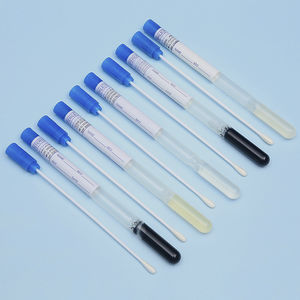
If the tube contains transport medium, extraction buffer, or another liquid, the label may need to identify the medium type. This helps users and warehouse teams distinguish between similar kits.
Buyers should avoid using identical-looking labels for different tube contents unless the workflow allows it.
Label Adhesive and Storage
Tube labels should remain attached during storage, shipping, and handling. Adhesive performance may be affected by tube material, storage conditions, and whether the tube contains liquid medium.
Buyers should check whether labels peel, wrinkle, fade, or shift during sample testing and transport simulation.
Private Label Tube Labels
Private label tube labels may include customer brand, product name, barcode, lot number, expiration date, and market-specific text. Before production, buyers should approve artwork and real label samples.
Logo placement, language, barcode, and label size should be checked carefully.
Tube Labels in Complete Kits
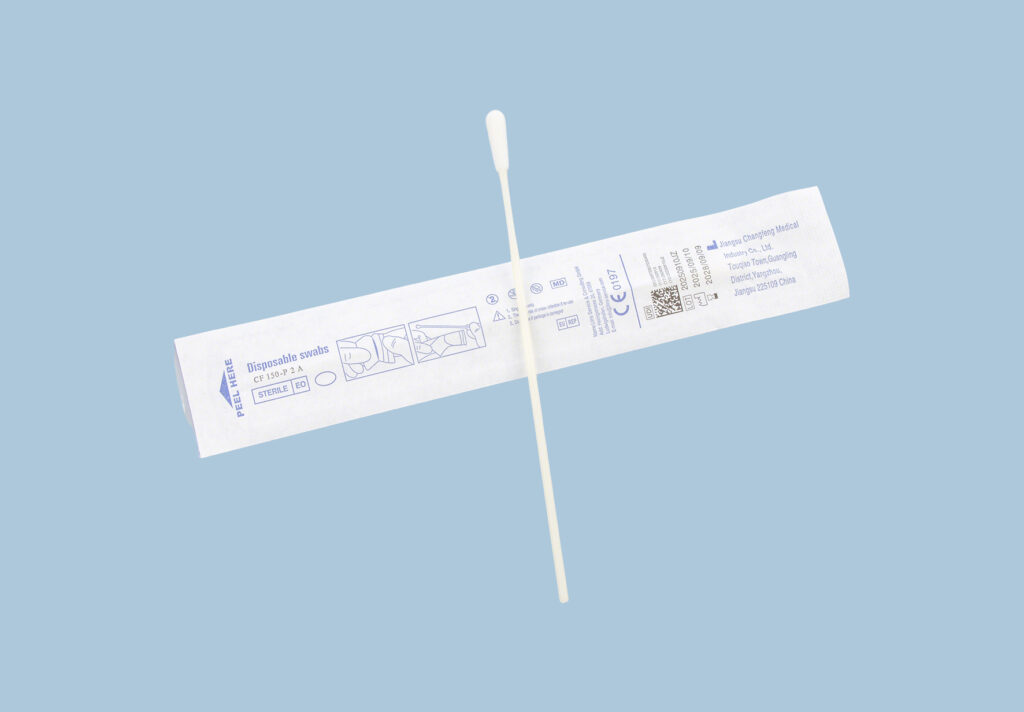
Tube labels should match the swab pouch, instruction sheet, inner box, and carton marks. Inconsistent information across packaging levels can create warehouse and customer confusion.
For collection kit assembly, all components should be reviewed together before mass production.
What Buyers Should Check Before Ordering
Before ordering swab collection kits with tube labels, buyers should check label size, label material, adhesive quality, printing clarity, barcode scannability, lot number position, expiration date format, medium type, brand artwork, tube fit, cap space, pouch layout, carton marks, samples, MOQ, lead time, and documents.
Common Mistakes
One common mistake is approving tube label artwork without testing it on the actual tube. Another mistake is ignoring barcode scanning after the label is curved around the tube.
Buyers should also avoid inconsistent product names, lot numbers, or expiration dates across tube, pouch, box, and carton labels.
Conclusion
Tube labeling is important in swab collection kits because it supports identification, traceability, barcode scanning, shelf life control, and customer workflow. Buyers should review label size, printing, barcode, lot number, expiration date, adhesive quality, and kit consistency before bulk production.
Changfeng Medical supplies sampling swabs and related collection solutions for diagnostic, clinical, and laboratory applications. Contact us to discuss swab collection kit labels, tube compatibility, private label packaging, and bulk supply solutions for your market.
FAQ
Why is tube labeling important in swab kits?
Tube labeling helps users identify the product, manage samples, scan barcodes, and support traceability.
What should be printed on a tube label?
Common information may include product name, medium type, barcode, lot number, expiration date, storage conditions, and brand information.
Should buyers test labels on actual tubes?
Yes. Label fit, adhesive quality, barcode scanning, and readability should be tested on real tubes.
Can tube labels be customized?
Yes. Private label tube labels may be customized depending on supplier capability, artwork requirements, and order quantity.